12 October 2026
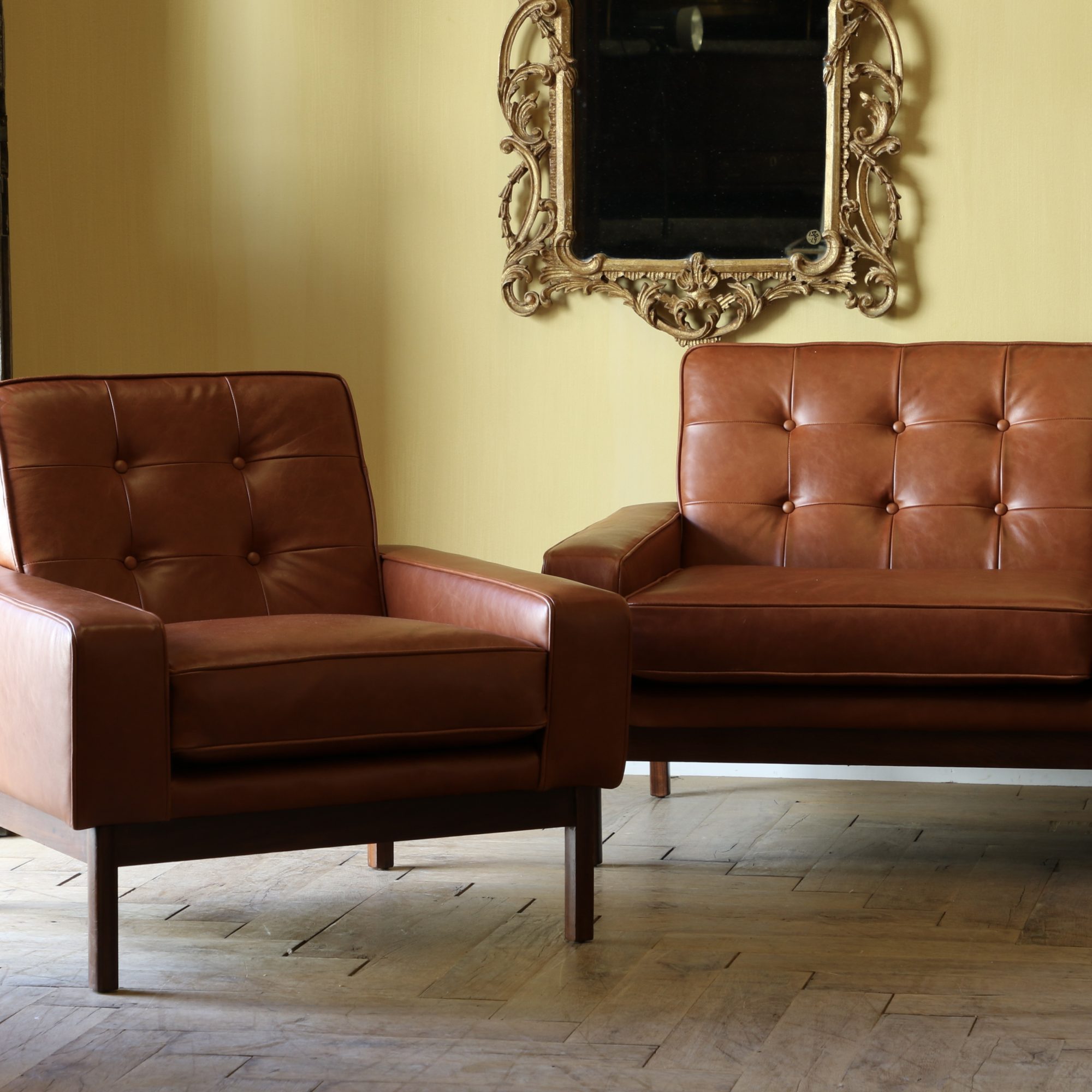
A good piece of furniture is something you'll live with for decades, and quite possibly something your children will argue over. Since 1988 we've been bringing furniture home from England, France and Sweden, and the question we hear most in our Remuera showroom isn't "how old is it?" but "will it work in my house?" Here's what we've learned, often the hard way, about choosing the right piece the first time.
1. Start with the room, not the piece
Falling in love in a showroom is easy. Getting a two-metre cupboard up a villa staircase is not. Before you buy, measure:
- The space itself: width, depth and, often forgotten, height. A tall piece like our Louis Philippe cupboard stands 2.14 metres, which is perfect under a high stud and impossible under a low one.
- Walkways: leave around 900mm to walk past a piece comfortably, and about a metre behind dining chairs so people can sit down without a shuffle.
- The way in: doorways, stair turns and hallways. Our French oak workbench is a 2.6-metre, 200 kg statement, and the delivery route matters as much as the dining room.
Every item on our website lists its dimensions. One of the best tricks we know is to mark the outline on your floor with masking tape and live with it for a day. You'll know very quickly whether it's right.
2. Get the proportion and scale right
If you read our stock descriptions you'll notice we say "small, pleasing proportions" rather a lot. That's because proportion matters more than size. A piece should suit the room's volume and the furniture around it. Too large and it dominates; too small and it looks lost.
Compare two French settees we have at the moment. The Louis XVI settee is a neat 1.48 metres, just right for a bedroom, a landing or a smaller sitting room. The Louis XV settee, with its high camel back and carved cabriole legs, is 1.7 metres and wants a proper room to hold court in. Both are beautiful, and each suits a different space.
Small spaces need furniture too. A 650mm round Empire table with its original fossil stone top can make a reading corner, and a little stool or ottoman earns its keep anywhere.
3. Buy for the way you actually live
Be honest about how the piece will be used, day to day.
Dining tables
How many do you seat on a normal Tuesday, and how many at Christmas? Our Orangery dining table, made from an 18th-century top and legs and reworked to 2.6 metres by 1 metre, seats a crowd with ease. If space is tight, a drop-side table like this French elm jigsaw table folds down for every day and opens up for guests. Browse all our dining tables and dining chairs.
Storage
Think about what you need to put away. A dresser base or sideboard is ideal for dining rooms: cupboards for platters, drawers for linen. We particularly like this Empire dresser base in pearwood; most Empire pieces come with four drawers, so finding one with a cupboard is unusual and far more useful. For bedrooms, a chest of drawers or a semainier (a tall, narrow chest with seven drawers, one for each day of the week) gives plenty of storage in very little floor space.
4. Choose a style that suits your home
You don't need a period house to own period furniture, but it helps to understand what you're looking at. A quick guide to the styles we stock most:
- Early English: solid oak, turned legs, honest construction. Our pair of Jacobean bobbin chairs, circa 1660, show how well this furniture has lasted.
- Georgian English: mahogany, fine proportion and classical detail, from the age of Chippendale, Hepplewhite and Sheraton.
- Louis XV (French): curves everywhere: cabriole legs, serpentine fronts, carved shells and flowers. Romantic and decorative.
- Louis XVI (French): a return to straight, tapered and fluted legs and neoclassical restraint. Our pair of Louis XVI bergères keep their original 18th-century carving and gilding.
- Louis Philippe (French, 1830s–40s): plain, practical and quietly elegant. These pieces sit as happily in a modern apartment as in a villa. See this Louis Philippe dresser base in Nordic green.
- Gustavian (Swedish): painted greys and whites, light and restrained, ideal for New Zealand's clear light. Browse our Swedish furniture.
For the full history, from Elizabethan oak to French Retro, see our guide to period styles.
Don't be afraid to mix. A plain Louis Philippe cupboard next to a mid-century chair, under a Murano chandelier, is often more interesting than a room bought all from one period.
You'll find plenty to mix among our French, English and mid-century collections.
5. Look closely at timber, patina and condition
Age shows in colour and wear, and that's a large part of the appeal. When you're choosing an antique, look at:
- Patina: the soft colour that builds up over generations of polishing and use. Good restoration brings it out rather than stripping it away.
- Original features: handles, escutcheons, stone tops and old mirror glass. Our Louis Philippe oval mirror still has its original mercury glass and water gilding.
- Construction: open a drawer. Hand-cut dovetails, mortice and tenon joints and solid timber tell you a piece was built to last.
- What's been restored: always ask. A good dealer will tell you exactly what's original and what has been repaired, re-gilded or refinished.
Our own team of restorers, gilders, upholsterers and cabinet makers, some with more than 30 years at the bench, prepares every piece before it reaches the showroom floor.
6. Comfort matters: upholstery and fabric
An antique chair should be a pleasure to sit in, not just to look at. Sit in it. Check the seat height against your table (around 450–470mm suits most dining tables) and the depth against your legs. The frame is what you're really buying: a sound antique frame can be reupholstered in any fabric you like, from Belgian linen to a bold velvet.
If you need a matching set, our JS Editions Mallorca cane-backed chairs are made by our French chair maker and can be finished in any colour and fabric.
7. Finish the room with lighting and rugs
The right chandelier or lamp changes a room more than almost anything else. All our antique lighting is rewired to AU/NZ electrical standards before it's sold. Underfoot, an antique carpet such as this Baluch carpet, circa 1880, with its madder-red field and indigo motifs, anchors a room and softens the furniture around it. Browse our antique rugs.
8. Plan to look after it
Good furniture asks for very little: keep it out of harsh direct sun, away from heaters, and give it a wax polish every so often. We're the New Zealand agents for Mylands of London, and our furniture care guide explains how to wax and buff antiques and fine furniture properly.
Your quick checklist
- Measure the space, the walkways and the way in.
- Tape the outline on the floor before you commit.
- Choose proportion that suits the room, not just the size that fits.
- Buy for daily life, not just for entertaining.
- Learn the style so you can mix with confidence.
- Check patina, construction and what has been restored.
- Sit in it, and think about fabric.
- Plan the lighting and rug to finish the room.
Frequently asked questions
Is antique furniture practical for everyday family life?
Very often, yes. Furniture that has already survived 150 years of use is usually more robust than new flat-pack furniture. Choose solid timber pieces with simple lines, protect the surfaces, and wax them occasionally.
Can I mix antique and modern furniture?
Absolutely, and it's often the best look. Plain antiques, such as Louis Philippe, Gustavian or early English oak, sit beautifully alongside contemporary sofas and art.
How do I know the dimensions before visiting?
Every piece on our website lists its width, depth and height. If you need more detail, or photos of a piece in a particular light, just ask.
Come and see us
Photos only tell half the story; you need to see colour, patina and proportion in person. Visit our showroom in Remuera, Auckland, browse our new arrivals, or get in touch on (09) 529 1660. We're always happy to talk furniture, and to help you find the piece that's right for your home.
